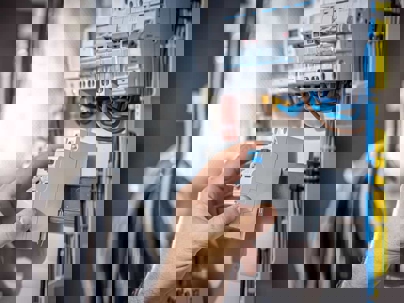
You can live in a Dallas home for decades with an old fuse box and never have a major problem, right up until the day a remodel, inspection, or insurance review suddenly makes that panel the most expensive part of your house. The box sits in a closet or on an exterior wall, quietly doing its job, so it is easy to assume it can keep up with whatever you plug in. The shock comes when someone applies modern rules and math to a system that was never built for today’s electrical loads.
We talk to Dallas homeowners all the time who are planning a kitchen remodel, adding central air, or renewing insurance and are surprised to hear that their fuse box has turned into a roadblock. From their perspective, nothing has changed, the lights still work, and fuses only blow once in a while. From a code, safety, and insurance standpoint, everything has changed, because your home’s electrical demand has quietly climbed while the capacity of that old fuse box has stayed exactly the same.
As a family-owned electrical company serving Dallas since 2004, we have watched that gap widen in real homes. Our licensed and insured electricians run formal load calculations, work with Dallas inspectors, and replace outdated panels across the area, so we see how often fuse boxes fall short of modern standards even when they seem “fine.” In this guide, we want to explain why that happens, what it means for your safety and wallet, and how a proper evaluation and upgrade with ElectricMan can put you back in control.
Why Old Fuse Boxes Are A Hidden Problem In Dallas Homes
Many older Dallas neighborhoods are full of homes built in the 1940s through the 1970s, and a lot of those houses still have their original fuse boxes or equipment from that era. Those systems were usually designed around much smaller services, for example 60 amp or 100 amp, and far fewer branch circuits than we expect today. At the time, homes might have had a few general-purpose outlets, some lighting circuits, maybe a small window unit, and limited kitchen appliances.
Fast forward to a modern Dallas household, and the demands look very different. It is common to see central air and heat, multiple refrigerators and freezers, microwaves, dishwashers, garbage disposals, large televisions, home office setups, and more devices charging all day. Many homeowners have added these loads one at a time over the years, so nothing feels like a major change. The reality is that the total demand being placed on that original fuse box has increased dramatically.
The reason this often stays hidden is that the system can appear to work for years. Maybe a fuse blows here and there, or someone upsizes a fuse to stop nuisance trips. Lights come on, outlets work, and there are no obvious signs of trouble, so the panel is out of sight and out of mind. The problem shows up when you try to pull a permit for a remodel, replace HVAC equipment, or answer questions from your insurance company. At that point, someone looks at the actual capacity of the service compared to modern expectations, and the mismatch is impossible to ignore.
Because we have been working on Dallas electrical systems for more than two decades, we recognize the patterns that cause these surprises. We are often called after an inspection report or permit review points directly at the fuse box. From the homeowner’s perspective, it feels like a new problem. From a technical perspective, it has been there since the day your home’s electrical use passed what that old box was ever designed to handle.
How Modern Load Calculations Work And Why Fuse Boxes Fail Them
When we evaluate an electrical system, we do not guess. We perform a load calculation, which is a structured way of totaling up the expected electrical use in your home and comparing it to the capacity of the service and panel. This process comes from the National Electrical Code and is used by electricians and inspectors throughout Dallas. It looks at items such as general lighting, receptacles, small appliance circuits, fixed appliances, and heating and cooling equipment, then applies demand factors to reflect how these loads are likely to operate in real life.
For example, every home is assigned a base load for lighting and general outlets, calculated from the square footage. On top of that, we add dedicated kitchen appliance circuits, laundry circuits, electric ranges or ovens, water heaters, and similar equipment. Cooling and heating loads in Dallas are significant, especially with central air systems that draw a large amount of current during startup and heavy use in summer. The load calculation accounts for these individually, then considers that not everything runs at full power at the same time.
Now compare two versions of the same Dallas house. The original 1950s version might have had a few small window units, limited countertop appliances, and no central air, and could be served by a 60 amp fuse box. The modern version of that home often has a 3 or 4 ton central air system, a microwave, dishwasher, large refrigerator, disposal, and home electronics. When we run a modern load calculation on that upgraded home, the total calculated demand frequently exceeds what a 60 amp or even some 100 amp services can safely supply, especially once you factor in loads that run for long periods.
This is where many fuse boxes fall short of modern standards. The panel itself may only be rated for 60 or 100 amps, and the service conductors feeding it were sized accordingly when the home was built. Even if the fuses are not blowing, the math shows that normal modern use can push the system beyond its intended limits. Dallas inspectors and utilities look at that capacity when you request new work or increased load, and they expect the service and panel to match the calculated demand, not just “work most of the time.”
Our licensed electricians perform these load calculations routinely across Dallas, both for existing fuse boxes and for new breaker panel installations. When we meet a homeowner, we walk through the numbers in plain language so you can see exactly how your current usage compares to the rating of your service. That level of clarity is what inspectors want to see when they review a permit package, and it is the only honest way to decide whether a fuse box can stay or needs to be upgraded.
Design Limits Of Old Fuse Boxes You Cannot Fix With Small Upgrades
An old fuse box is limited in more ways than just its amp rating. The physical layout often includes only a small number of fuse positions, which means only so many separate circuits can be run. As families added rooms, outlets, or appliances over the years, many of these boxes ended up with multiple rooms or loads tied to a single fuse. This can create chronic nuisance blowing or encourage unsafe workarounds to cram more load into the same small space.
We regularly open fuse boxes in Dallas and find circuits doubled up under one terminal, fuses that are oversized compared to the wire they protect, and sometimes adapters that let someone plug the wrong type of fuse into a socket. These “solutions” are attempts to work around the physical and electrical limits of the box instead of fixing the underlying problem. The result is that the wiring in the walls and the fuse box itself may be asked to carry more current than they were ever meant to handle, which can lead to overheating and fire risk.
The electrical limits are just as important. The service drop from the utility, the meter, the main disconnect, and the fuse box are all part of one system. If the service conductors and main fuse are sized for 60 amps, you cannot safely treat the home as if it has a 200 amp service by adding subpanels or larger fuses. The weakest part of the chain sets the real capacity. Code and good practice do not allow you to ignore an undersized main service by hiding more circuits downstream.
Another issue with older fuse boxes is the lack of modern safety features. Today’s breaker panels support arc-fault circuit interrupters and ground-fault circuit interrupters, which help protect against certain types of electrical fires and shock. Fuse boxes generally do not provide these protections in an integrated way. You can add individual devices in some locations, but the overall system remains less protective than a modern panel designed for today’s safety standards.
Because of these baked-in limits, there is usually a point where small upgrades stop making sense. At ElectricMan, our service vans are stocked for full panel change-outs because, in many older Dallas homes, that is often the only safe and code-compliant way to create the capacity and protection a modern lifestyle requires. Trying to force an old fuse box to do a modern panel’s job often costs more in headaches and risk than replacing it with a properly sized breaker panel and service.
Why Dallas Code And Permits Catch Problems Your Fuse Box Hides
Dallas uses modern electrical code standards when reviewing new work, remodels, and service upgrades. That means even if your existing system was installed decades ago, any new permitted work is judged against today’s requirements, not the rules from the year your home was built. This is where many fuse boxes that have quietly served for years suddenly become a problem.
Certain types of projects are especially likely to trigger a closer look. Adding or replacing central air equipment, remodeling a kitchen, finishing an attic or garage, or adding significant new loads like a workshop often require permits. As part of that process, inspectors want to know that the existing service and panel can handle the increased demand. A small fuse box paired with a modest service frequently falls short in that review, especially when paired with multiple new circuits or large equipment.
We see a consistent pattern in Dallas when inspectors encounter an old fuse box tied to a home that is adding modern loads. Even if the work you are proposing is on one part of the house, they may require the main service and panel to be brought closer to current standards if the load calculation shows that the overall system would be overloaded. Their job is to make sure new work does not create unsafe conditions or leave you with a system that is marginal from day one.
Our team works with Dallas inspectors on projects throughout the city, so we understand how they approach these decisions. When we design a service upgrade or panel replacement, we frame it around the same calculations and safety concerns they will use during inspection. That gives you a smoother path to approvals and reduces the chance that your project stalls midway because someone has just realized the old fuse box cannot legitimately serve the new load.
Insurance And Resale Risks Of Keeping An Old Fuse Box
Even if you are not planning a remodel, an old fuse box can quietly affect your insurance and resale plans. Many insurers now ask about the age and type of electrical service when issuing or renewing a homeowner’s policy. Some specifically mention fuse boxes as a concern and may request photos or an inspection report. In some cases, they may write the policy with conditions or require that the panel be upgraded within a certain timeframe.
We hear from Dallas homeowners who first learn that their fuse box is a problem when an insurance renewal notice arrives or when they try to switch carriers for a better rate. At that point, the conversation is no longer about whether upgrading is a good idea someday, it is about whether coverage will continue unless changes are made. Handling a panel replacement under time pressure and with a policy at stake is stressful, especially if you have not budgeted for it.
The same pattern shows up during home sales. Buyers’ inspectors almost always note fuse boxes in their reports, and many lenders and buyers see them as a red flag. That can lead to negotiations over repair credits, closing delays, or lost deals if the buyer is not comfortable with the electrical system. A panel upgrade completed ahead of listing often makes the home more attractive and removes a major objection before it appears.
Because a panel replacement is a significant investment, cost is a real concern. At ElectricMan, we work with Dallas homeowners to price panel and service upgrades competitively and we offer financing options that can spread the cost over time. Tackling the upgrade proactively, on your schedule, usually gives you more control over cost and scope than waiting until an insurer or buyer demands immediate action.
Common Myths Dallas Homeowners Believe About Fuse Boxes
One of the biggest myths we hear is that a fuse box is “grandfathered,” so it is automatically acceptable no matter what happens to the rest of the house. Grandfathering does mean that an existing system can often stay in place as long as it is safe and untouched. It does not mean that you can keep adding new loads indefinitely or that any new work can simply ignore the capacity of the existing service. Once you request certain types of permits or changes, current standards apply to the system as a whole.
Another common belief is that if fuses are not blowing, the box must be keeping up with demand. In practice, we often find that nuisance blowing led someone to install a larger fuse than the circuit was designed for, or to move circuits around in ways that mask the warning signs. In those cases, the fact that nothing is tripping is actually a danger, because the wires in the walls may be running hotter than intended without any protective device opening the circuit.
We also hear that an electrician can simply add a subpanel to create more space without touching the old fuse box. While subpanels can be useful in certain situations, they cannot fix an undersized main service. If the main fuses and service conductors are already at their limit, sending more circuits through a downstream panel just divides the load, it does not increase what the service can safely deliver. Dallas inspectors know this and generally do not approve arrangements that sidestep the true capacity issue.
Some homeowners worry that replacing a fuse box will automatically trigger a complete rewire of the entire house. While every situation is different and some older wiring may also need attention, much of the time we can connect existing circuits to a new, properly sized breaker panel once we verify their condition. The key is to base decisions on a real inspection and load calculation instead of assumptions. Our role is to explain what we find, what must be corrected for safety and code, and what can reasonably remain.
At ElectricMan, we spend a lot of time clearing up these myths during in-home visits. We understand how they arise, because from the outside a fuse box just looks like another way to distribute power. By walking you through the limits of the box, the rating of your service, and the requirements that apply in Dallas today, we help you see the same picture inspectors and insurers see, so you can make informed decisions instead of relying on outdated advice.
What A Proper Fuse Box Evaluation And Panel Upgrade Looks Like
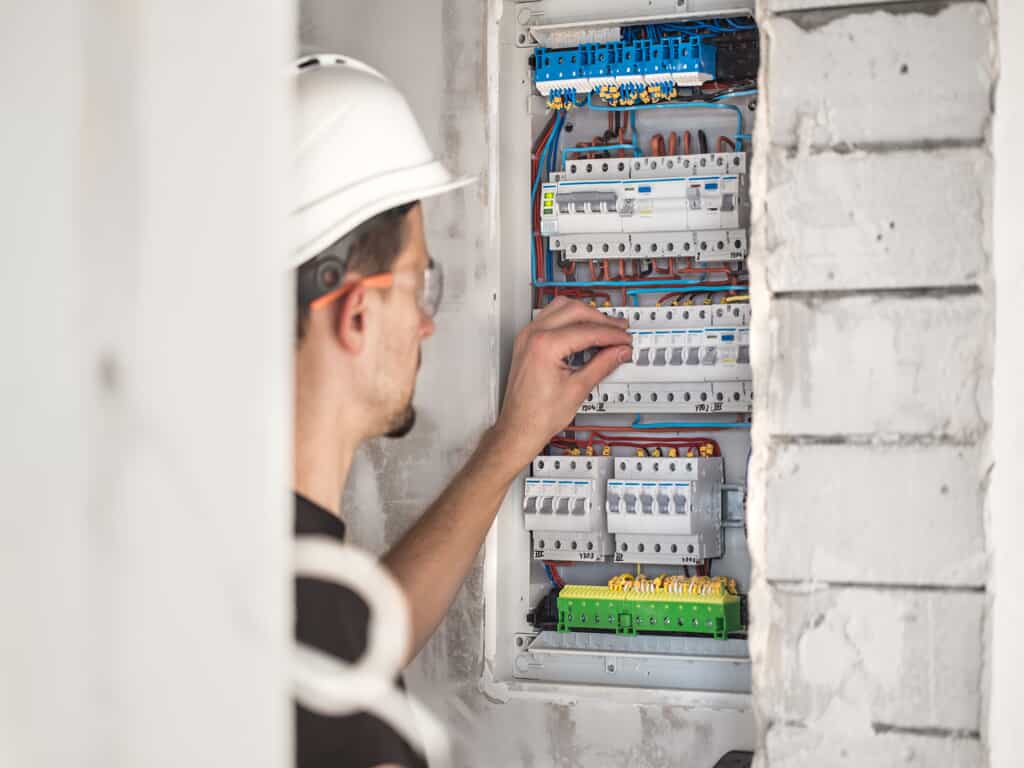
When we come to a Dallas home with an old fuse box, we start with a visual inspection. We look at the panel itself, the service entrance, the meter, and the visible wiring to check for obvious hazards like corrosion, overheating, overfusing, and improvised connections. We also note how many circuits are present, how they are labeled, and what parts of the house they serve. This gives us a first look at how the system has been used and modified over the years.
Next, we talk with you about your current electrical use and future plans. Are you planning a kitchen or bath remodel, finishing an attic, or adding a workshop? Do you run multiple window units, space heaters, or other heavy loads now? With that context, our electricians perform a load calculation using information about the size of your home, existing circuits, and connected equipment. We translate those numbers into clear terms, so you can see how close your current use is to the rating of the fuse box and service.
If the calculation and inspection show that the existing system is undersized or unsafe, we outline options for a new breaker panel and, if needed, a larger service. That includes recommending an appropriate amp rating for the new panel, discussing locations, and planning for dedicated circuits for major appliances and HVAC. We also consider likely future needs, so you are less likely to outgrow the new installation in a few years.
On the day of the upgrade, we coordinate the work to minimize disruption. In many cases, this involves scheduling with the utility so power can be safely disconnected and reconnected. Our well-stocked service vans carry the parts and materials we typically need for Dallas panel upgrades, which helps us complete most jobs without repeated trips. While power will be off for part of the work, we explain the timing in advance so you can plan around it.
Every panel and service upgrade we perform is handled by licensed and insured electricians, and our family-owned team has been doing this work in Dallas since 2004. We back our services with a satisfaction guarantee, because we want you to feel confident that the investment you make in your electrical system will pay off in safety, reliability, and smoother inspections. Financing options are available for many projects, which can make it easier to move forward on a necessary upgrade instead of putting it off.
When To Replace Your Old Fuse Box Instead Of Waiting
There are times when an old fuse box moves from “outdated” to “urgent.” Frequent blown fuses, fuses that are hot to the touch, visible discoloration or scorch marks, buzzing sounds, or signs of melted insulation are serious warning signs. If you see improvised fixes like pennies behind fuses, adapters, or obviously oversized fuses, the risk is even higher. In these situations, the priority is to reduce immediate danger, and a prompt evaluation should not be delayed.
Even without dramatic symptoms, there are clear moments when it makes sense to upgrade rather than wait. If you are planning a remodel, converting to central air, adding major appliances, or preparing to sell your home, handling the panel and service first often makes the rest of the project smoother. You avoid having your plans held up by last-minute code issues and give yourself a stronger position with inspectors, buyers, and insurers.
Replacing a fuse box on your own timeline also offers other benefits. You can choose the right size and layout for your current and future needs, add room for extra circuits, and integrate modern protection like arc-fault and ground-fault breakers. You also shift from a system that inspectors and insurers often view as marginal to one that aligns with current expectations for Dallas homes, which can help with coverage and resale confidence.
At ElectricMan, we are available around the clock for both planned and urgent electrical work throughout the Dallas area. Whether you are seeing clear warning signs or just want an honest assessment before you commit to a remodel or sale, we can evaluate your fuse box, run a proper load calculation, and lay out your options in straightforward terms. That way, you can decide to replace the panel based on facts, not fear or guesswork.
Plan Your Fuse Box Upgrade With A Dallas Team That Knows These Homes
An old fuse box is more than a relic from another era. In a modern Dallas home, it represents a built-in mismatch between yesterday’s service sizes and today’s electrical loads, and that mismatch shows up sooner or later in permits, inspections, insurance reviews, or real safety issues. Understanding how load calculations work, how local code is applied, and where the limits of your existing system really are gives you the leverage to make smart decisions before those pressures collide.
Our team at ElectricMan has been working on Dallas electrical systems since 2004, and we know how to take a home from an undersized, outdated fuse box to a breaker panel and service that can support your lifestyle and future plans. We combine licensed, insured electricians, well-stocked service vans, a satisfaction guarantee, and financing options to make that transition as smooth as possible. If you are unsure what your fuse box can safely handle, or you have a project coming up that might expose its limits, reach out and let us walk you through a proper evaluation and upgrade plan.
Call (972) 362-1804 to schedule a fuse box evaluation for your Dallas home.